Infrared saunas, compared on the specs that decide it
Cabins, blankets and portables. We read the manuals, pull the published wattage and EMF figures into one table, and tell you what the listing left out.
Start with the picks
Each roundup opens with a comparison table and names a top pick, a value pick and at least one unit we tell you to skip. Where Amazon's own data has a current price, the buy button shows it with the date it was checked; confirm it on Amazon before you commit.
#ad Price as of October 23, 2026 — confirm it on Amazon.
How this category actually breaks down
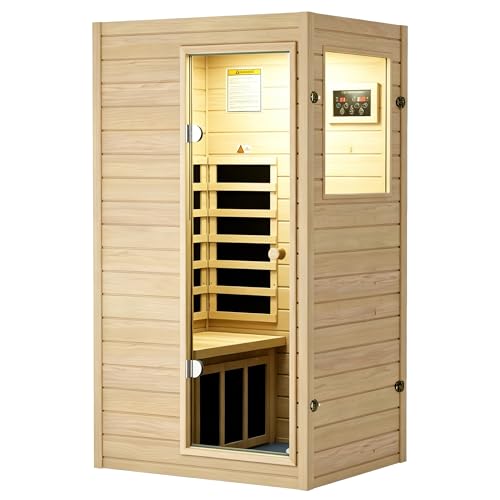
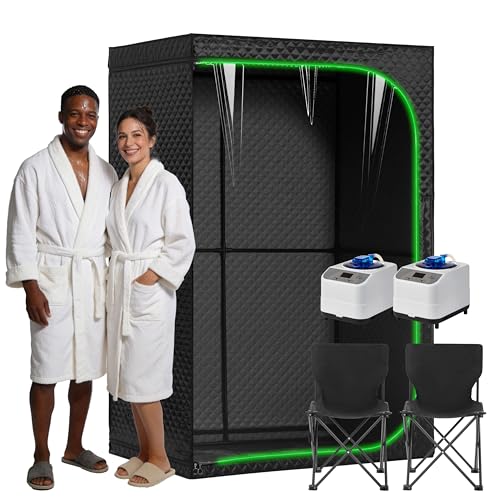
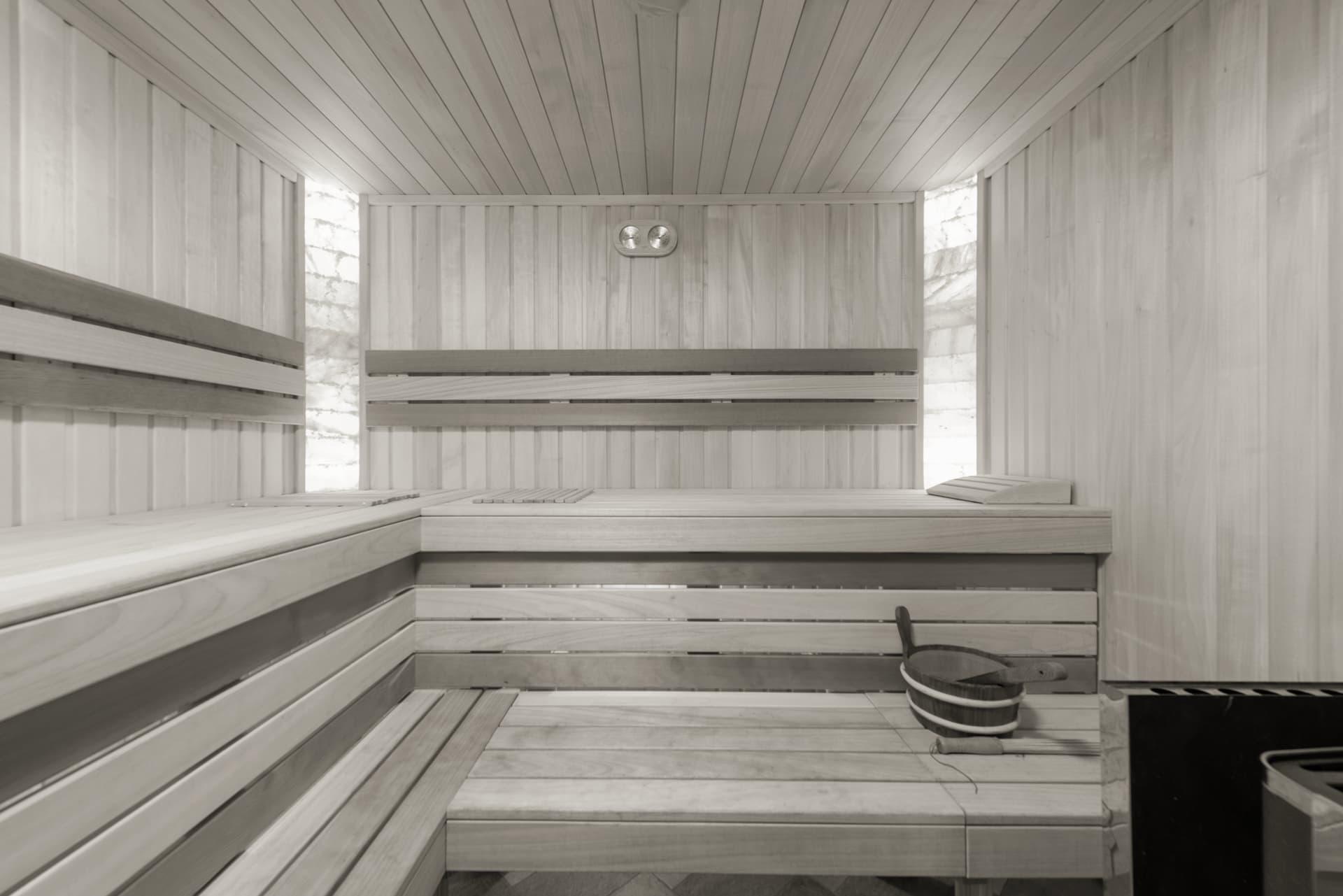
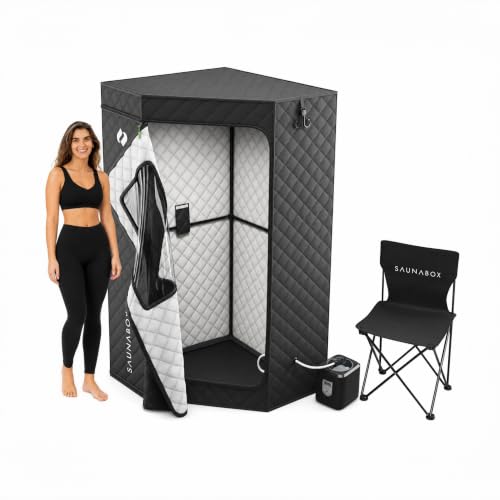
Infrared is not one product. It is four, and they compete with each other far more than the marketing admits. Cabins are the real installation — a wooden box, 1,500 to 3,600 W of carbon or ceramic panels, and a circuit that has to exist before the box arrives. Blankets are a bag you lie inside; they roll up, they cost a fraction as much, and they heat your body and nothing else. Tents and portables sit between the two and mostly use steam rather than infrared, which almost nobody points out. And sauna upgrade parts — a red-light tube, a better controller, a full-spectrum panel — let you fix one weakness of a cabin you already own without replacing it.
If you already own something in this category, the upgrade question is usually not "which cabin is best" but "which of my current cabin's four weaknesses am I actually fixing." That is the question our buying guide is built around, and it is why we have an upgrade-kit page separate from the roundups.
The four specs that decide an infrared purchase
1Circuit requirement. Everything else is downstream of this. A 2,100 W cabin runs on a dedicated 20 A circuit. A 3,600 W full-spectrum cabin needs 220 V, an electrician, and in most jurisdictions a permit. Check your panel before you check the price.
2Spectrum. Far infrared is what most cabins produce. Full spectrum adds near and mid wavelengths and costs materially more, both to buy and to run. The evidence base for near infrared is real but narrower than the marketing implies — see our red light evidence page.
3EMF, and the distance it was measured at. A figure without a distance is not a specification. Our cross-brand EMF table is the only place we know of that puts the published numbers side by side *and* states which of them are comparable. Most are not.
4Wood. Hemlock is the default and it is fine indoors. Cedar costs more and earns it in humidity. Neither matters much in a dry cabin that lives in a conditioned basement.
What the listings will not tell you
Three things are missing from essentially every infrared listing we read for this hub, and all three change the purchase.
Warm-up time is never published. A carbon-panel cabin takes 30 to 45 minutes to reach a usable temperature from cold. If you were imagining a 10-minute pre-heat, adjust the plan — or buy a cabin with Wi-Fi preheat so the wait happens while you are still at work.
Advertised wattage is an LED or element rating, not measured wall draw. This matters when you cost a session. We do that arithmetic in the sauna running-costs guide using the rated figure and show exactly which assumption we made, so you can redo it with your own electricity rate.
Bench depth is almost never published, and it is the difference between a three-person cabin and a two-person cabin with an extra seat. Where a listing gives interior dimensions rather than exterior ones, we say so in the spec table — it is rare enough to be a point in the product's favor.
Infrared versus everything else
An infrared cabin is a different experience from a traditional sauna, not a cheaper version of one. It runs at 120–150 °F rather than 175–195 °F, it is dry, and you cannot throw water. People who move from infrared to traditional rarely move back; people who move from traditional to infrared usually did it for the circuit, not the heat. We lay the comparison out properly in infrared vs traditional and, for the wider question, in sauna vs steam room.
If your reason for looking at infrared is that a traditional heater needs 240 V and you do not have it, read the outdoor sauna electrical guide first. The install is often less expensive and less disruptive than people assume, and it opens up a category that infrared cannot match on heat.
Questions people actually ask
Do I need a dedicated circuit for an infrared sauna?
Almost always. A cabin drawing 1,800 W or more will trip a shared 15 A household circuit, and most two- and three-person cabins draw between 1,500 W and 2,240 W. Full-spectrum cabins frequently need 220 V. Check the listing's published wattage against your panel before ordering, and treat a listing that does not publish wattage as a warning sign.
Is a low-EMF infrared sauna worth paying extra for?
The honest answer is that you usually cannot tell, because the published figures are not comparable. EMF falls off sharply with distance, so a reading taken at the heater surface and one taken at the bench are different measurements of the same cabin. Very few manufacturers state where they measured. Our EMF comparison page puts the published numbers side by side and flags which ones carry a distance.
How long does an infrared sauna take to heat up?
Manufacturers rarely publish this. From owner reports and the physics of carbon panel output, 30 to 45 minutes from a cold start is typical for a two- or three-person cabin, longer in an unheated garage or basement. That is a real constraint on how often you will actually use it, and it is worth planning around.
Is a sauna blanket a reasonable substitute for a cabin?
For sweating, largely yes. For the experience, no. A blanket heats the body it wraps and leaves your head in room air, so it never produces the whole-body heat of sitting in a hot room. It also costs a fraction as much, stores in a cupboard, and needs no circuit. If storage or budget is your constraint, a blanket is a genuine answer rather than a consolation prize.