Outdoor saunas, and the install cost nobody budgets for
Barrels, cubes and kits. The shell is the easy decision — the heater sizing, the wood species and the circuit you have to trench are the ones that decide whether you use it.
Start with the picks
Each roundup opens with a comparison table and names a top pick, a value pick and at least one unit we tell you to skip. Where Amazon's own data has a current price, the buy button shows it with the date it was checked; confirm it on Amazon before you commit.
#ad Price as of October 23, 2026 — confirm it on Amazon.
The three shapes, and what each one is actually for
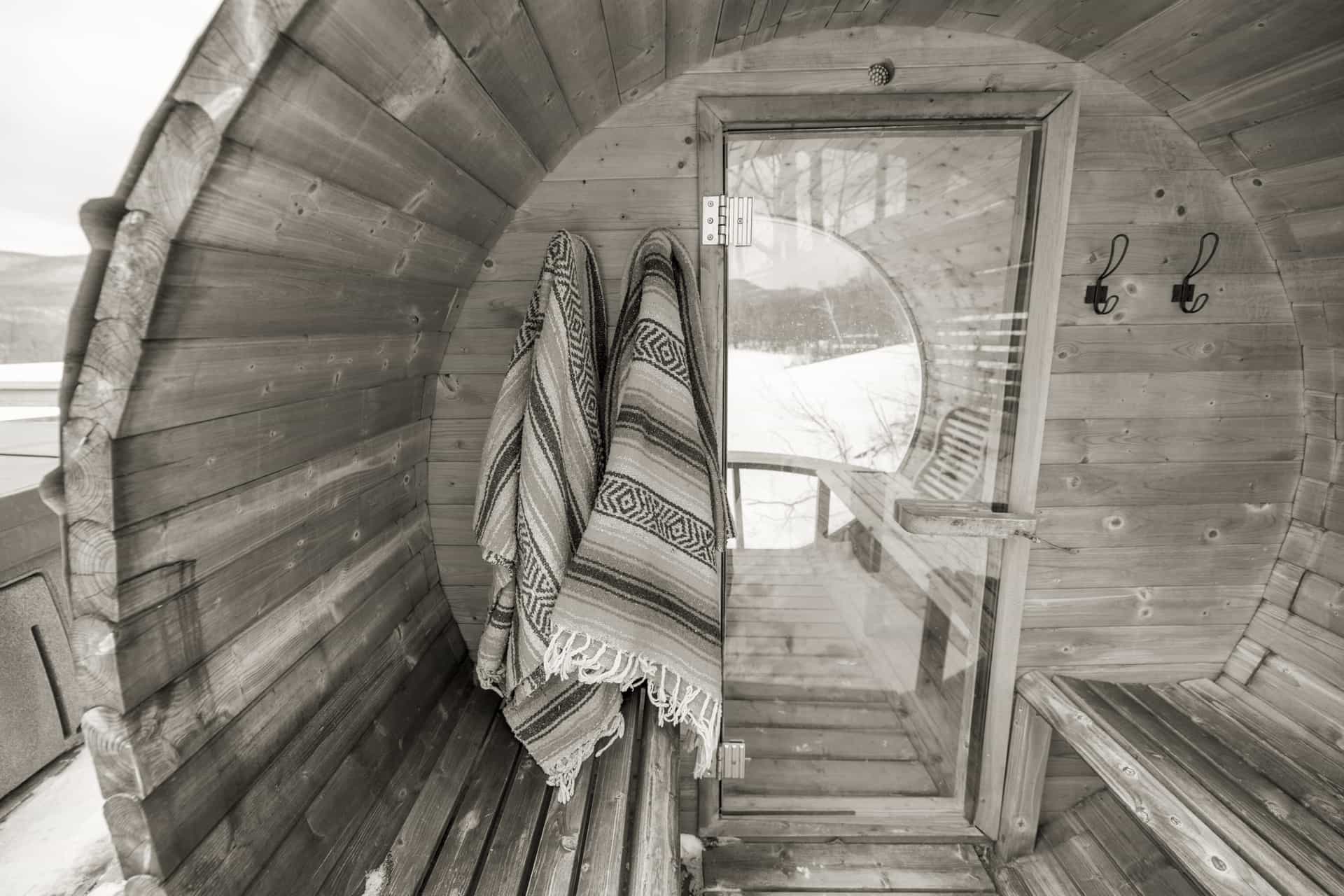
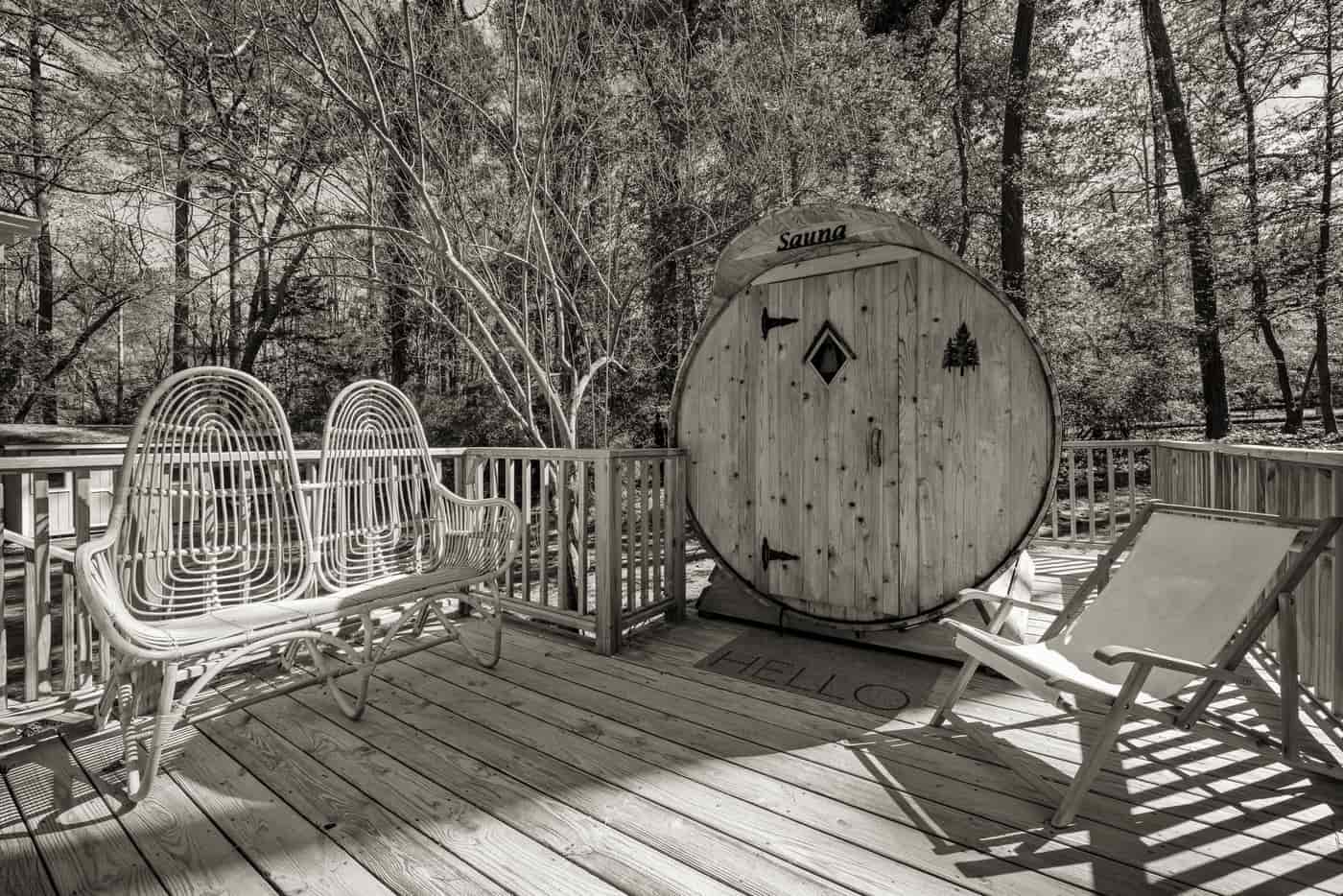
Barrels are the default because they are cheap to ship and they heat fast — a curved ceiling means less air volume above your head, so the same heater gets you hotter sooner. The trade-off is headroom at the walls and a roof that is the first thing to fail. Cubes waste less interior volume, look like architecture rather than equipment, and cost more per square foot. Kits are neither: they are a room package you install inside a structure you already own, which is by a wide margin the cheapest route to a real traditional sauna if you have a garage bay or a basement corner going spare.
We break the first decision down properly in barrel vs cube, and if you are leaning towards a kit, best sauna kits covers what you are actually buying and what you still have to supply yourself.
Heater sizing is the spec that decides everything
The single most expensive mistake in this category is an undersized heater, and it is easy to make because most listings publish a person count instead of a room volume. A person count is a marketing figure. Volume is a specification.
Heater output against room volume — the rule of thumb, and why it is only a rule of thumb
Heater output
Rated room volume (Harvia's published range)
Typical circuit
4.5 kW
Smaller rooms — check the manufacturer's own figure
240 V, commonly 30 A
6 kW
177–283 cu ft (Harvia Topclass and KIP)
240 V, commonly 40 A
8 kW and above
Larger rooms — manufacturer's figure required
240 V, higher amperage
The 6 kW range above is Harvia's own published rating for its Topclass and KIP heaters. Other brands do not publish comparable figures, which is exactly the problem — and it assumes an insulated room. An uninsulated barrel in a cold climate needs more heater than the table suggests. See best saunas for cold climates.
The electrical run is the budget line people forget
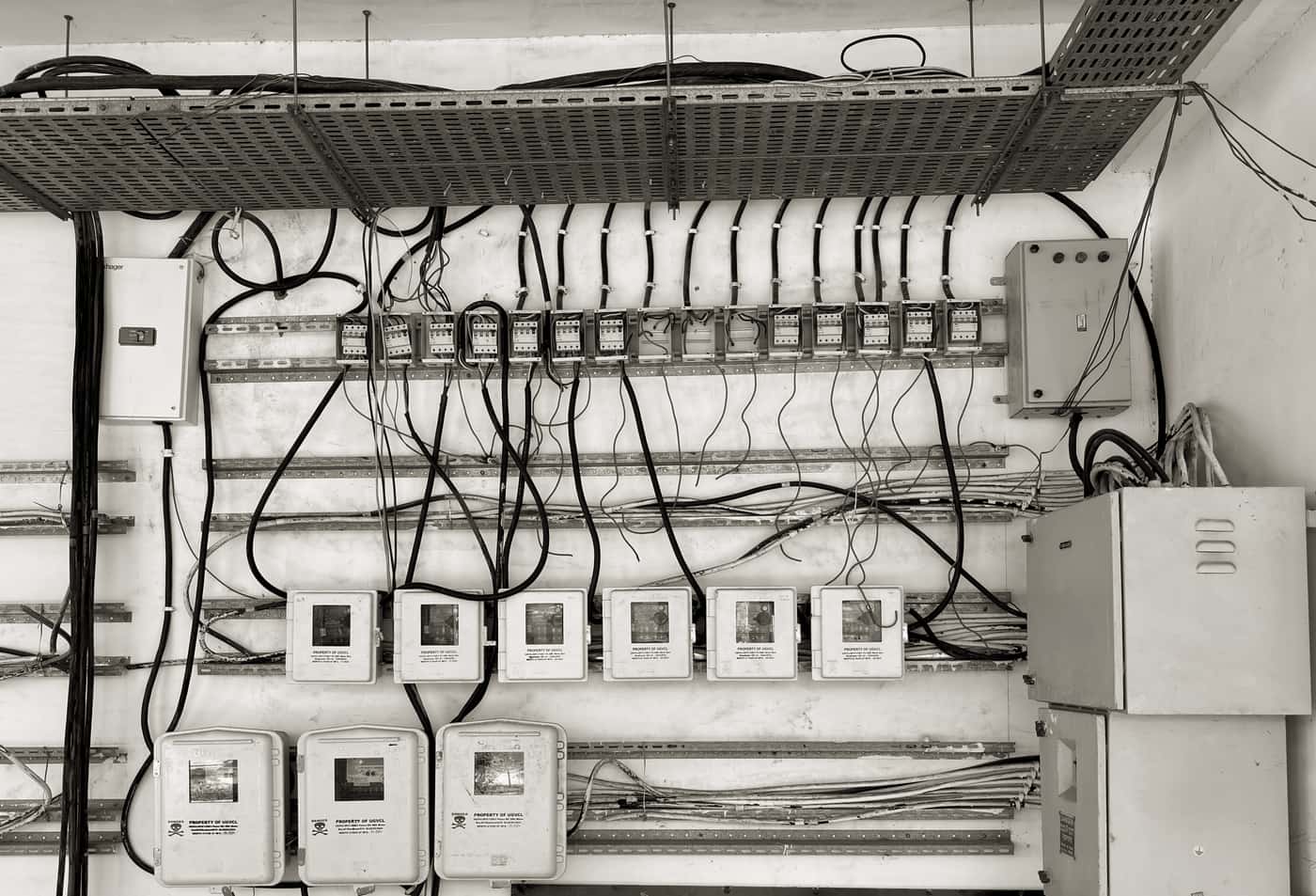
Every electric heater above roughly 4.5 kW needs 240 V. If your sauna is going at the back of the garden, that means a trench, conduit, a permitted circuit and an electrician's day rate. On a suburban lot this regularly costs as much as the sauna, and occasionally more. It is not a corner to cut — a heater on an undersized or improvised circuit is a fire risk, not a saving.
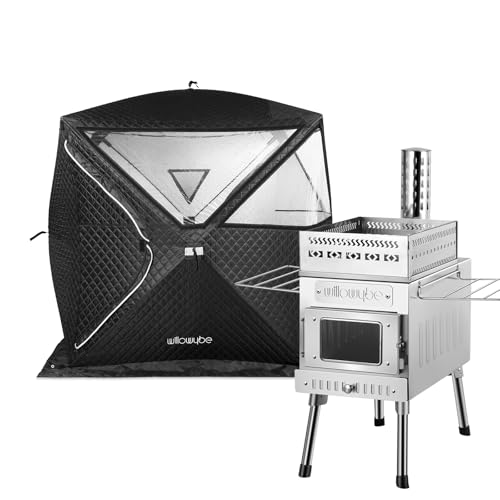
This is why wood-fired stoves deserve a serious look even from people who assumed they wanted electric. A wood stove needs no circuit at all. It costs you a 45-minute lead time before every session and an ash tray to empty, and it buys you the entire electrical budget back. We lay the two side by side in wood-burning vs electric, and the full electrical picture is in the outdoor sauna electrical guide.
Wood species, and when it genuinely matters
Cedar resists rot and insects, holds up to a wet-dry-freeze cycle, and costs more. Hemlock is cheaper, perfectly good indoors, and a worse bet over a decade outdoors. Spruce sits between them. For a structure that lives outside year-round in a climate with a real winter, the extra cost of cedar is the cheapest insurance in this entire category — the reasoning, with the properties that actually differ, is in cedar vs hemlock vs spruce.
One caveat worth stating plainly: many listings say "cedar" without saying which cedar, or apply the word to a rustic grade full of knots. Where a listing names the actual species — western red cedar, say — we treat that as a point in its favor, because it means someone in the supply chain is paying attention.
Before you order anything
Foundation first. A barrel needs a level, drained base that will not heave. Our foundation guide covers the options and what each one costs.
Check the delivery method. Almost everything here ships freight with a curbside drop. You are moving several hundred pounds of cedar from the street to the yard yourself.
Confirm the roof covering. Barrels leak at the top first, and a surprising number of listings do not say what the roof is made of.
Plan the winter maintenance now, not in November — see winter maintenance.
Questions people actually ask
How much does the electrical work for an outdoor sauna cost?
We cannot give you a figure, because it depends entirely on the distance from your panel, whether the run is trenched or overhead, your local permit requirements and your electrician's rate. What we can tell you is that it is a real budget line that people routinely leave out, that it frequently rivals the cost of the sauna itself on a long garden run, and that a wood-fired stove removes it completely.
Is a barrel sauna better than a cube?
A barrel heats faster for the same heater because it has less air volume above head height, and it ships cheaper. A cube gives you usable headroom at the walls and looks less like equipment in a garden. Neither is better in general — the barrel wins on cost and warm-up, the cube wins on usable space and appearance.
Do I need cedar, or will hemlock do?
For an outdoor structure in a climate with a real winter, cedar is worth the money — it resists rot and handles the wet-dry-freeze cycle better than hemlock does. For an indoor room in a conditioned space, hemlock is genuinely fine and the difference is largely cosmetic. Watch for listings that say 'cedar' without naming the species or the grade.
Can I run an outdoor sauna heater on a standard household outlet?
Not a traditional one. Every electric sauna heater above roughly 4.5 kW requires a 240 V circuit, and the smaller ones still need a dedicated run. If a 240 V circuit is genuinely impossible for you, your options are a wood-fired stove — which needs no electricity at all — or an infrared cabin, which is a different experience rather than a substitute.
Four Ohio-built cedar saunas read from SISU's own documentation - including the warranty gap and the HUUM clearance waiver - plus alternatives you can buy today.
Canadian cedar barrels read from Nootka's own documentation - the 194 °F certification ceiling, the tiered warranty, the cancellation ladder - plus the stove it fits, sold separately.