Sauna vs cold plunge
If you can only have one, the answer depends less on the physiology than on your floor, your circuit and your tolerance for water chemistry. Here is the whole comparison.
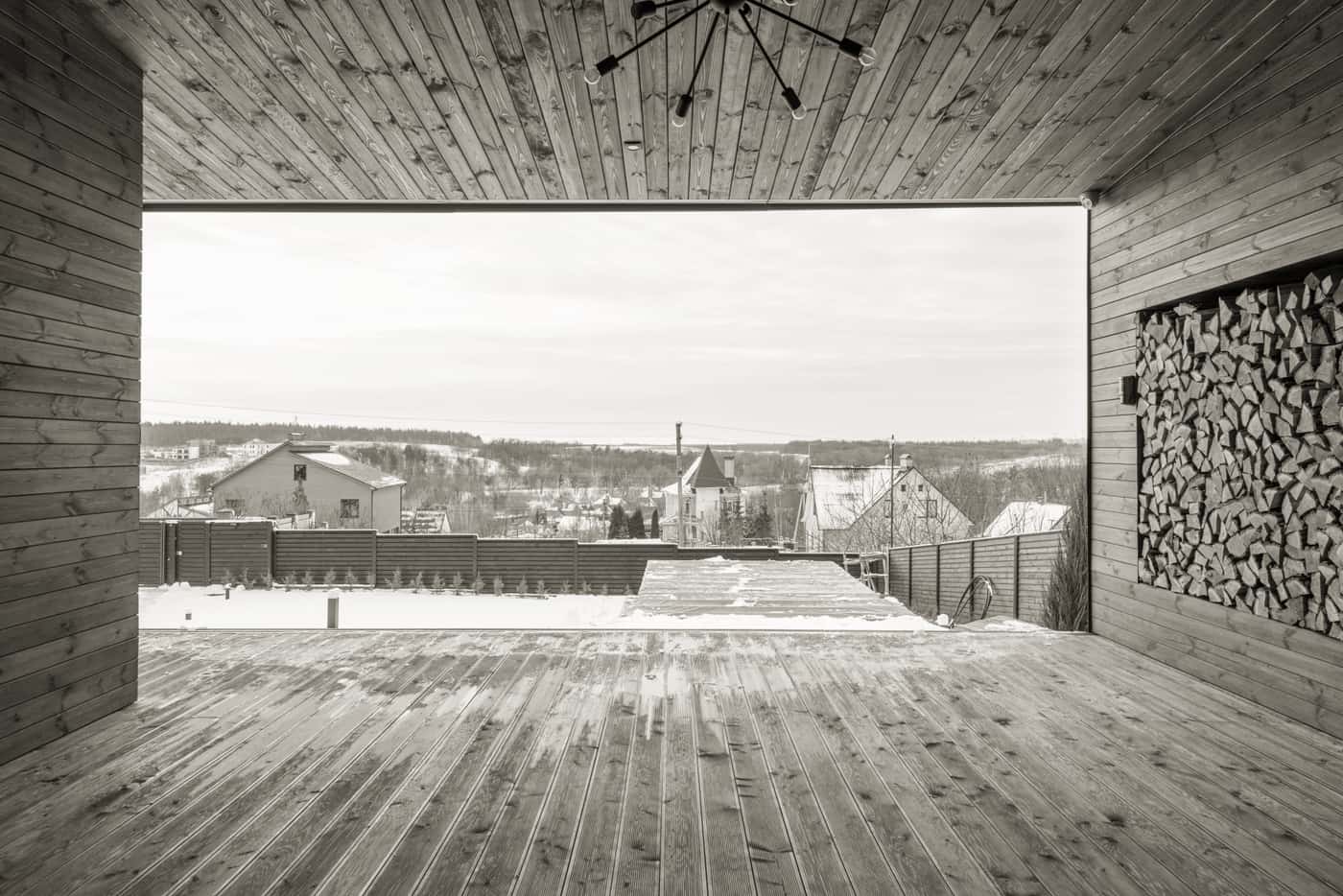
The short version: a sauna is a piece of the building and a plunge is a body of water you own. The sauna costs more to buy and more to run, and once it is in, it asks almost nothing of you. The plunge is cheaper to start and never stops needing attention — filtration, sanitation, water changes, a cover. If you want one thing that you will still be using in three years, buy the sauna. If you want the bigger sensation for the smaller outlay this month, buy the plunge. Most people who do both end up doing them together, which is what our contrast therapy guide is about.
Side by side
| Sauna | Cold plunge | |
|---|---|---|
| Entry cost | Blanket at the low end; a cabin is four figures | An inflatable tub is the cheapest real entry point on this site |
| What makes it expensive | The cabin and the electrical work | The chiller, not the tub |
| Electrical | Standard outlet for small infrared; 240 V for traditional | None for ice; a chiller needs a GFCI circuit |
| Running cost | Watts times hours times tariff, every session | A chiller runs continuously, not per session |
| Space | Permanent, indoors or a garden building | A tub plus access all round; water is about 8.3 lb per gallon |
| Upkeep | Wipe the bench; oil the wood occasionally | Filtration, sanitation, water changes, a cover |
| Session | 15–30 minutes, warm-up first | Minutes, no warm-up |
| Social | Two to six people | Almost always one |
Cost bands are relative; we write no prices into the text. Figures for weight from NIST's properties of water.
The real cost difference is upkeep, not purchase
A sauna's costs are front-loaded: the cabin, the circuit, the base. After that the only recurring item is electricity, plus a bottle of wood oil once or twice a year. A plunge's costs are the other shape. The tub can be cheap — an inflatable is the cheapest real entry point in our registry — but then you are running a chiller continuously rather than per session, replacing filters, buying water treatment and changing the water on a schedule. Our cold plunge running costs page has the arithmetic. Neither is expensive in absolute terms. They are just expensive at different times, and people who budget for one shape get surprised by the other.
What each one actually does
We are not going to claim outcomes for either. The literature on heat exposure and on cold immersion is summarized on our sauna benefits evidence and cold plunge benefits evidence pages, including where the studies are small and where they are not. What we can say without a study is experiential: a sauna is relaxing and a plunge is not. One is somewhere you sit and read; the other is two minutes you have to talk yourself into. That difference predicts adherence more than any protocol does — and adherence is the only variable that matters.
The ordering question, if you are doing both
- Sauna first, if you want the thing you will use most days through winter, or you already own a cold shower habit that mostly works.
- Plunge first, if you have a garden or a garage, want the biggest change for the smallest outlay, and are prepared to learn some water chemistry.
- Blanket first, if neither budget is settled. A sauna blanket or a tub of ice will tell you within a fortnight which of these you actually keep doing.
- Both, eventually. The contrast routine is the reason most of this site's readers own both, and our sauna and cold plunge setup page covers putting them together.
Space is the tiebreaker more often than money
A sauna needs a permanent indoor footprint or a garden building on a proper base. A plunge needs a floor that can take the weight — water is about 8.3 pounds per gallon, so a 100-gallon tub is more than 800 pounds of water before anyone gets in — plus room to get in and out safely, and somewhere for a chiller to sit and breathe. If you have a garage or a garden, either works. If you have a flat and a spare corner, the honest answers are a blanket and a bathtub chiller, and our best chillers for a bathtub page exists for exactly that case.
Where to start on each side
Kanlanth 1-Person Far Infrared Sauna, European Aspen, 905 W
Kanlanth
#ad Price as of Sep 27, 2026. We earn a commission if you buy, at no extra cost to you. How this is funded.
The only cabin here that publishes a user-height limit alongside its dimensions, and aspen is the correct wood for a small cabin — resin-free and cool to touch at close quarters.
| Power | 905 W |
|---|---|
| Circuit | 110 V standard outlet |
| Dimensions | 36.61" × 29.33" × 62.99" |
| Wood | European aspen |
| Panels | 5 far-infrared epoxy panels |
| Maximum temperature | 140 °F (60 °C) |
| Stated user height | Suitable for users up to 5 ft 9 in per the listing |
What works
- States a user-height limit, which almost no cabin listing does
- Aspen is resin-free, so nothing weeps at temperature in a tight cabin
- 905 W runs on a standard outlet with room to spare on the circuit
What doesn't
- 140 °F is the low end even for infrared — do not expect traditional heat
- The height limit is real and will rule this out for taller users
- No published EMF figure despite the low-EMF claim in the title
Skip it ifyou are over about 5 ft 9 in. The seller has told you the limit; believe them rather than hoping.
AURGOD 2-Person Indoor Traditional Sauna, Canadian Hemlock, 6 kW Harvia
AURGOD
$2,990.00 · 7% off
#ad Price as of Sep 27, 2026. We earn a commission if you buy, at no extra cost to you. How this is funded.
A named Harvia heater in a hemlock room with the full accessory set in the box — an indoor traditional sauna that is complete on day one.
| Capacity | 2 person |
|---|---|
| Wood | Canadian hemlock |
| Heater | 6 kW Harvia electric, 220 V |
| Temperature range | 120–195 °F |
| Dimensions | 51" × 41" × 75" |
| Weight | 600 lb |
| Included | 8 mm tempered door, stones, bucket and ladle, hygrometer, hourglass |
What works
- A Harvia heater with a parts channel
- True traditional temperatures
- Everything for the first session included
What doesn't
- Needs a 220–240 V circuit
- Listed as a "steam" sauna — it is a traditional room that takes water on stones
- 600 lb of panels to move in
Skip it ifyou cannot add a 240 V circuit where it will go.
Jasonwell Portable Ice Bath Tub
Jasonwell
#ad We earn a commission if you buy, at no extra cost to you. How this is funded.
The cheapest honest way to find out whether you will actually keep plunging before you spend four figures on a chiller.
| Type | Portable ice pod |
|---|---|
| Construction | Heavy-duty fabric with support frame |
| Use | Indoor and outdoor |
| Volume | Not published in the listing |
| Insulation | Not published |
| Chiller compatible | Not stated |
What works
- Genuinely inexpensive — the lowest-risk way to test the habit
- Packs down small enough to store in a cupboard
- Sets up in minutes with no tools
What doesn't
- Volume not published, so ice quantity is trial and error
- No stated insulation, so it warms fast
- Chiller compatibility not stated — assume ice only
Skip it ifyou already know you are committed. Buy an insulated tub instead — you will replace this one within a year.
Fox Plunge 87-Gallon Cold Plunge Tub with 1/3 HP Chiller
Fox Plunge
#ad Price as of Sep 27, 2026. We earn a commission if you buy, at no extra cost to you. How this is funded.
Tub, chiller, pump, filter and hoses in one purchase, which removes the sizing question that trips up people buying the parts separately.
| Tub | 87 gallons, portable |
|---|---|
| Chiller | 1/3 HP |
| Included | Pump, remote control, filter and hoses |
| Temperature floor | Not published in the current listing |
| Noise | Not published in the current listing |
| Filter rating | Not published in the current listing |
| Warranty | Not published in the current listing |
What works
- Everything needed to run, in one box
- A remote, so the chiller does not have to be reachable
- 87 gallons is a sensible volume for a 1/3 HP unit
What doesn't
- The current listing publishes no temperature floor or noise figure
- Filter rating is not stated
- Bundled kits are harder to upgrade piece by piece
Skip it ifyou already own a tub. A standalone chiller costs less than the kit.
LifePro RejuvaWrap Infrared Sauna Blanket
LifePro
#ad Price as of Sep 27, 2026. We earn a commission if you buy, at no extra cost to you. How this is funded.
The same nine-level control and carbon-fiber heating as blankets costing considerably more, from a brand with an actual product range behind it rather than a marketplace listing.
| Size | 71" × 36" |
|---|---|
| Heating | Far-infrared carbon fiber |
| Temperature levels | 9 |
| Outer material | PU leather and PVC, waterproof |
| Care | Wipe clean |
| EMF | Described as low EMF; no figure published |
What works
- Nine temperature levels, matching blankets several times the price
- 36 inches wide is broader than several competitors
- An established brand with a support channel rather than an anonymous listing
What doesn't
- "Low EMF" with no measured figure at a stated distance
- Wipe clean only, which is why an insert is close to mandatory
- PVC layers have a noticeable smell for the first few sessions
Skip it ifyou are over about six feet. 71 inches of blanket does not leave much once your shoulders are inside it.
Questions people actually ask
Should I buy a sauna or a cold plunge first?
Which is cheaper to run, a sauna or a cold plunge?
Is a cold plunge or a sauna better for recovery?
Can you have a sauna and a cold plunge in a small space?
Sources
- NIST Chemistry WebBook — properties of water, for the weight figure — checked Sep 12, 2026
- Amazon.com — home sauna listings, specifications as published by the sellers — checked Sep 12, 2026
- Amazon.com — cold plunge tub listings, specifications as published by the sellers — checked Sep 12, 2026
Read next
- Contrast therapy guideDoing both, in order.Read it
- Sauna and cold plunge setupPutting them together.Read it
- Is an infrared sauna worth it?The sauna side of the bill.Read it
- Is a cold plunge worth it?The plunge side of the bill.Read it
- Home recovery setup budgetWhat each tier buys.Read it
- Best sauna and cold plunge combosIf you want both.Read it
Every pick on this page comes from published specifications, not from hardware we own. Read how we pick — including what spec-led ranking cannot tell you.