Running costs with the working shown, contrast therapy protocols with real citations, and honest comparisons between a sauna and everything people consider instead.
Start with the picks
Each roundup opens with a comparison table and names a top pick, a value pick and at least one unit we tell you to skip. Where Amazon's own data has a current price, the buy button shows it with the date it was checked; confirm it on Amazon before you commit.
#ad Price as of October 23, 2026 — confirm it on Amazon.
Why this section exists
When we surveyed the publishers ranking for the main terms in this category, two things stood out. First, not one of them published running-cost arithmetic — the actual kilowatt-hours a session consumes at a named electricity rate. Second, several made confident physiological claims citing "a growing body of research" with no research linked at all.
Both gaps are cheap to fill honestly and expensive to fake, which is why this hub is the center of the site rather than an afterthought. Everything here either shows its arithmetic in full so you can redo it with your own numbers, or cites a specific, linked source for every claim it makes.
The cost pages
Sauna running costs works out what a session actually costs from the heater's kilowatt rating and your electricity rate, with the assumptions named so you can substitute your own. Cold plunge running costs does the equivalent for a chiller, which is a harder problem because chillers cycle rather than running flat out — and because almost no chiller listing publishes a wattage at all. Home recovery setup budget puts the whole picture together, including the electrical work that people leave out of their planning and then discover.
The comparison pages
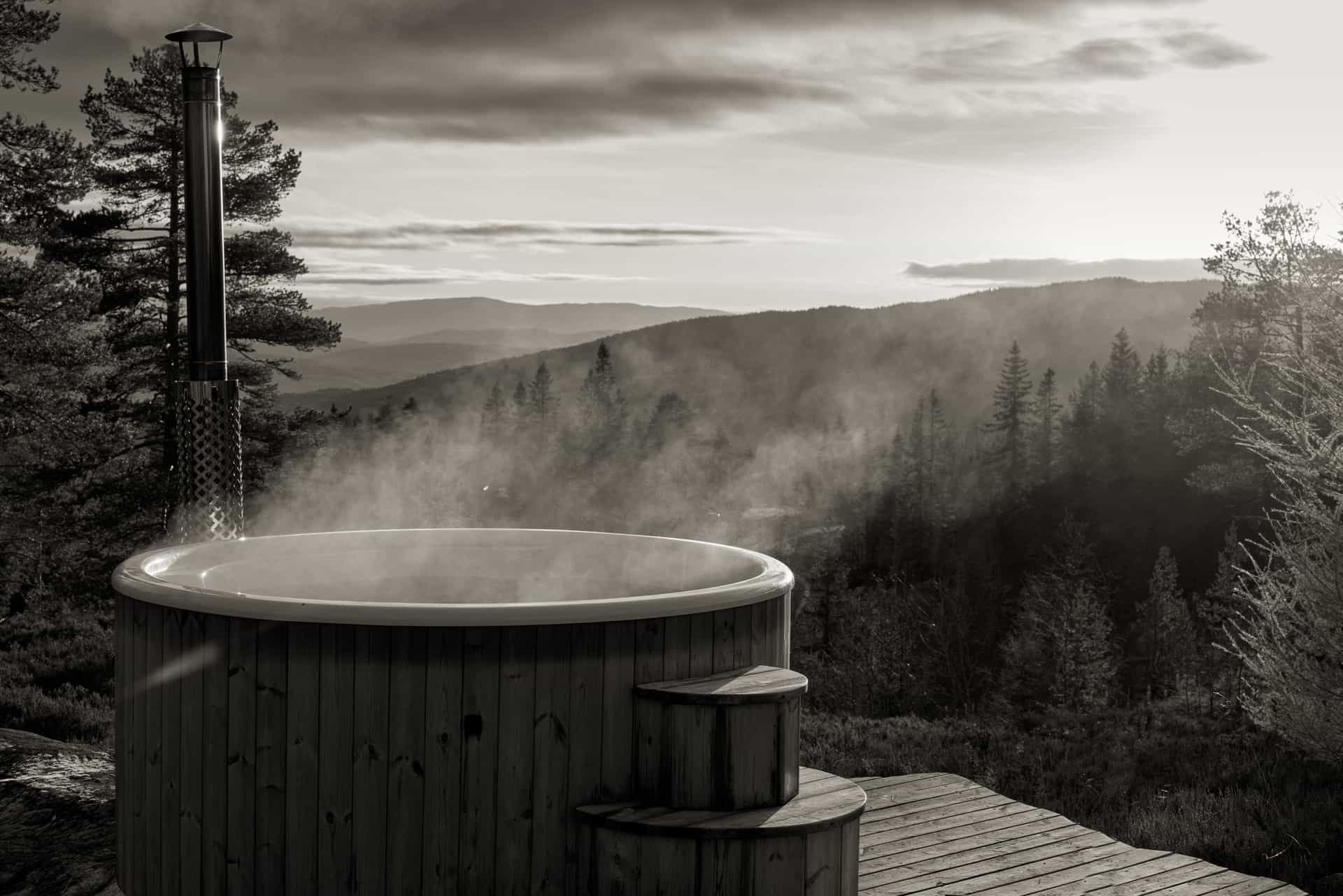
Sauna vs steam room is the question most people are actually asking when they start looking, and the answer turns on humidity and on what you can install rather than on which is better. Sauna vs hot tub is largely a maintenance-burden comparison — a hot tub is a body of water you are responsible for forever, and a sauna is a room. Contrast therapy covers running both, which is where this site's two halves meet.
The evidence pages
Sauna benefits and cold plunge benefits are written to one rule: every physiological claim links to a specific study or review, and where the evidence is thin, contested or observational rather than causal, we say so in the sentence rather than in a footnote. They are less exciting than most of what is written on these topics. That is the point.
Cold plunge protocol and the sauna temperature guide cover the how — duration, temperature, timing relative to training — again from published sources rather than from anyone's routine.
What we are not doing here
No medical advice. We are not clinicians and hold no credentials. Nothing here is a diagnosis or a treatment plan.
No outcome promises. We report what a study observed in the population it studied. Words like 'detoxifies', 'cures' and 'burns X calories' do not appear on this site.
No uncited claims. If we cannot link a source, the claim does not get made.
No first-hand experience claims. We have not tested this equipment, and the guides are written from published specifications and published research — see our methodology.
Why do you show the arithmetic instead of just giving a cost?
Because electricity rates vary by more than a factor of three across the US, and a single national average number would be wrong for almost everyone reading it. Showing the equation with named inputs means you can substitute your own rate from your own bill and get an answer that is actually about your house.
Are sauna and cold plunge health benefits real?
Some are well supported, some are supported by observational data that cannot establish cause, and some are marketing. We cite a specific source for every claim we make and state plainly which category it falls into. Anyone telling you the whole field is settled in either direction is overselling.
Should I do sauna before or after a cold plunge?
The traditional Finnish sequence is heat first, then cold, repeated. There is also a body of research on cold immersion immediately after resistance training that suggests it may blunt some adaptations, which is a timing question rather than a sequence question. We cover both, with sources, in the contrast therapy and cold plunge protocol guides.
Do you get paid to recommend products?
We earn an affiliate commission when someone buys through a link on this site, and that is disclosed on every commercial page and in full on the affiliate disclosure page. Commission never affects a ranking or a verdict. We accept no free products, no sponsored placements and no payment for coverage.
Both CPSC recalls in one place - the infrared overheating recall across eight brand names, and the Tylo bench collapse recall - with every model number and both remedies.