How to winterize a cold plunge
Winter is the easy season for water quality and the dangerous one for equipment. Everything that holds water in a thin housing — pump, filter, hoses — is what actually breaks.
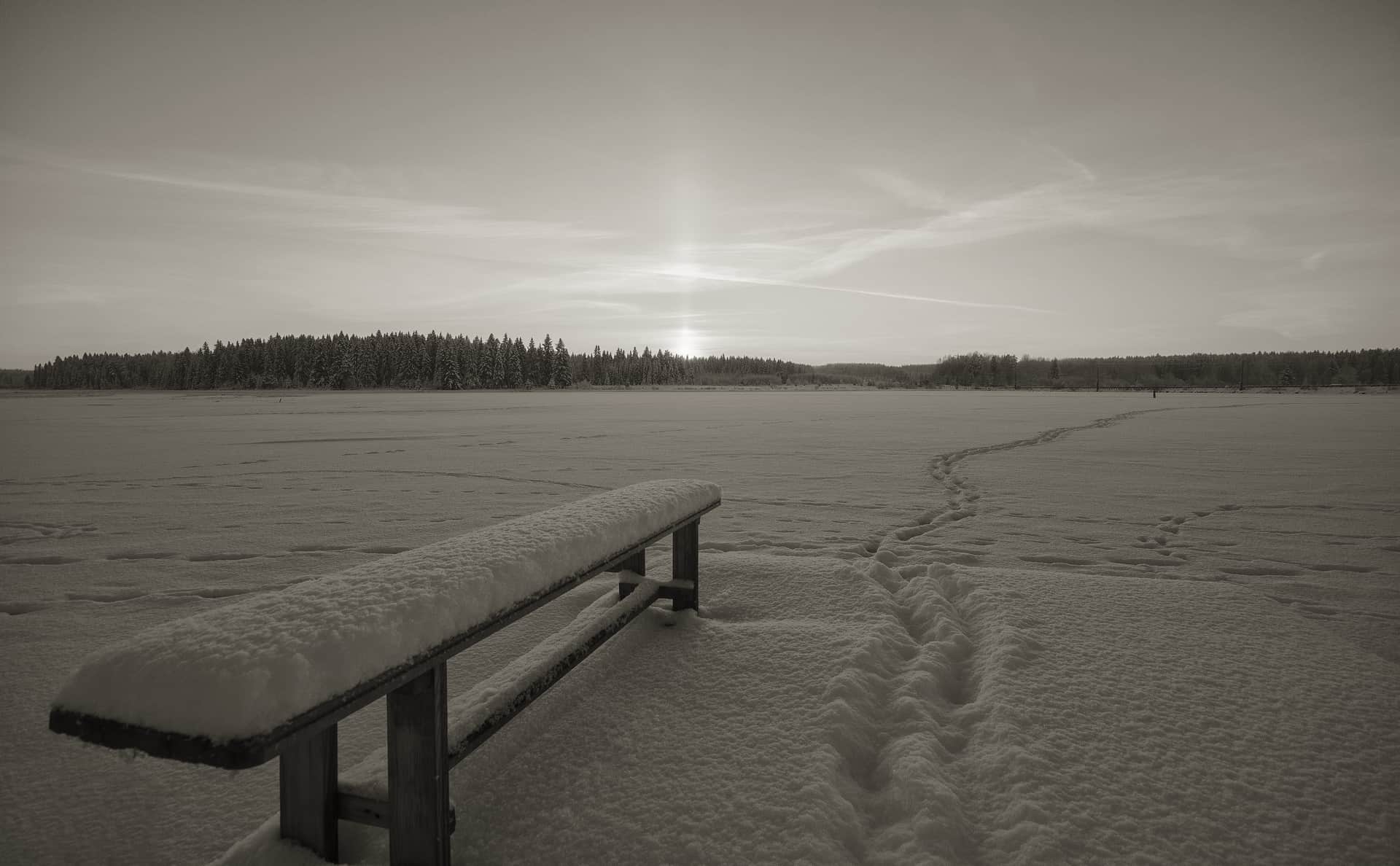
The short version: you have two honest options once it freezes hard. Shut the system down and drain everything that holds water, or keep the water moving and protect the parts that sit outside the tub. What you cannot do is leave a filled filter housing and a stopped pump outdoors overnight at 20 °F and expect them to work in spring. The tub itself is rarely the casualty; the plumbing is.
What freezes, in order
- 1Hoses, because they are thin, exposed and full of standing water when the pump stops.
- 2The filter housing, which is a rigid canister of water — the classic winter crack.
- 3The pump head, where a small volume sits against plastic.
- 4The chiller's internal plumbing, if the unit is outdoors and off.
- 5The tub surface, which freezes last because of its volume and, if you plunge regularly, because you keep breaking it.
Option one: shut it down
The safest route if you will not use it until spring. Turn the chiller off at the outlet, drain the tub from the bottom, disconnect the hoses and drain them by lifting each end in turn, open the filter housing and empty it, and leave the cartridge out to dry before storing it somewhere above freezing. Run the pump dry for only as long as the manufacturer allows — some say never — and store the pump indoors. Leave the tub covered and slightly tilted so meltwater runs off rather than pooling and freezing in the base.
Option two: keep plunging
Most people who plunge in winter keep the system wet, and the water is the easy part: below about 40 °F outside, a chiller barely runs and the ambient does the work for free. The discipline is in the periphery. Keep the pump circulating rather than switching it off between sessions, insulate the hose runs, sleeve the filter housing, and keep the chiller's air intake clear of drifted snow. If your chiller has a heating mode, its antifreeze or heat function exists for precisely this — check the manual rather than assuming.
- Insulate the hoses, with foam pipe lagging or a purpose-made sleeve. The cheapest failure to prevent.
- Sleeve the filter housing. A neoprene cover buys you several degrees and a lot of cracked plastic.
- Keep the cover on, always. It stops the surface freezing solid between sessions and keeps snow out.
- Move the pump above the waterline if the design allows, so it drains when it stops.
- Watch the intake. Chillers are air-cooled; a snowdrift against the grille is a failure mode.
- Have a thermometer you can read from indoors, because the useful question at 6 a.m. is whether the surface has iced over.
Ice on the surface is not the problem people expect
A skin of ice on a covered tub is normal and harmless, and breaking it is part of the routine for anyone plunging through a cold snap. What matters is what is underneath: water that has stopped circulating is water that can freeze around a fitting. If you are running a chiller and the surface freezes anyway, the machine is not broken — ambient has simply taken over, and the chiller is idling. Our cold plunge temperature guide covers what temperatures people actually use, and the honest winter answer is that you often have to warm the water rather than cool it.
Sessions in the cold
Two practical changes. First, the walk matters more than the plunge — bare feet on frozen ground and wet skin in wind is where the discomfort really lives, so a robe and something on your feet are not luxuries; see best sauna robes. Second, if you pair the plunge with heat, the contrast is sharper in winter than anything you will feel in July — our contrast therapy guide covers the practice, and best saunas for cold climates covers the other half of the setup.
Spring restart
- 1Inspect before you fill. Check hoses for splits, the housing for hairline cracks and the tub seams for damage.
- 2Fit a fresh cartridge rather than the one that sat all winter.
- 3Fill, then run the pump and watch every joint for a minute before you walk away.
- 4Dose the water before the first session — see how to clean a cold plunge.
- 5Check the chiller's operation at a modest set point before trusting it with a hot week.
Questions people actually ask
Can you leave a cold plunge outside in winter?
Will a cold plunge freeze solid?
Do you need the chiller in winter?
How do you stop hoses freezing?
Is cold plunging in winter different?
Sources
- Amazon — NRWRTY 3-layer insulated full-wrap cold plunge cover — checked Sep 27, 2026
- Amazon — Plunge Crafters insulated stock tank cover, 100 gallon — checked Sep 27, 2026
- Amazon — ChillGuard insulated neoprene filter housing cover — checked Sep 27, 2026
- Amazon — Polar Protector oval stock tank cover, 150 gallon — checked Sep 27, 2026
- Amazon — TempPro TempAir wireless floating thermometer — checked Sep 27, 2026
- Orca Plunge — published chiller maintenance and filter guidance — checked Sep 27, 2026
Read next
- How to clean a cold plungeThe routine the rest of the year.Read it
- Best cold plunge coversThe part doing most of the work.Read it
- Cold plunge running costsWhat the chiller costs when it idles.Read it
- Best saunas for cold climatesThe heat half of a winter setup.Read it
- Contrast therapy guideHot and cold, in sequence.Read it
- Outdoor sauna winter maintenanceThe same season, the other appliance.Read it
Every pick on this page comes from published specifications, not from hardware we own. Read how we pick — including what spec-led ranking cannot tell you.